Serving Fort Lauderdale, FL and surrounding areas. (754) 243-8239
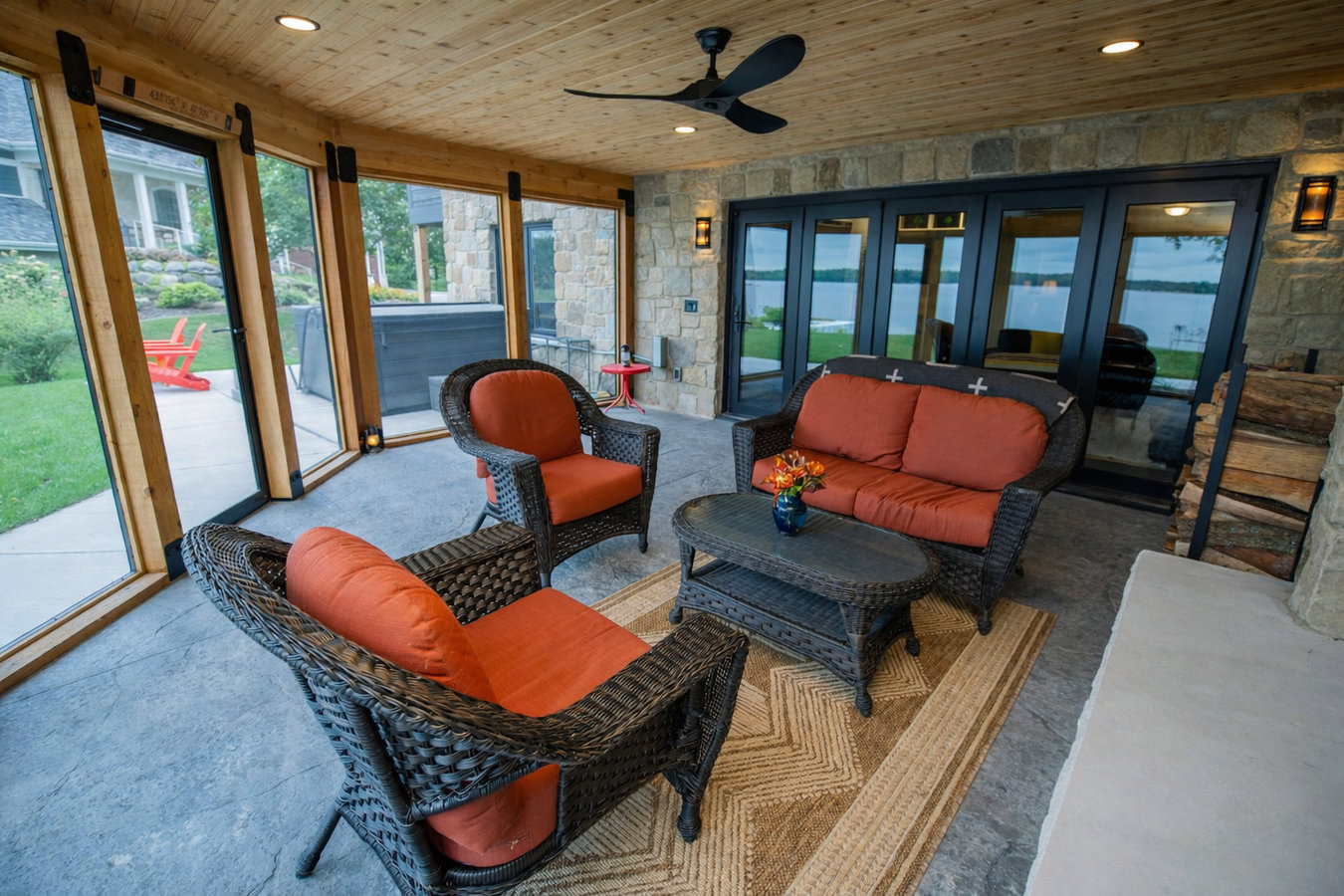
LibertyMark Fort Lauderdale Sunrooms serves Coral Springs with custom sunrooms, screen rooms, and patio enclosures designed for the area's planned neighborhoods and South Florida climate. We understand HOA requirements, CBS construction, and the inland heat and humidity that push outdoor spaces to their limits here.
Coral Springs homes vary from 1970s concrete block ranches near the city center to larger two-story builds along the western edge, and a sunroom that fits one property type rarely works on another. Our custom sunrooms are designed around your specific roofline, wall construction, and lot layout so the addition looks original, not bolted on.
Coral Springs sits at the western edge of Broward County where the afternoon thunderstorms that roll in from the Everglades keep mosquito populations high throughout the warm months. A screen room lets you use your patio, pool area, or lanai comfortably without the insects or direct sun that make open outdoor spaces difficult from May through October.
Many Coral Springs homes have covered patios that were part of the original build plan, but open or partially screened patios become uncomfortable during the summer months when heat and afternoon rain make outdoor use impractical. Enclosing the patio creates a protected transition space you can actually use year-round.
Coral Springs was built mostly from the 1970s through the early 1990s, and a lot of those homes are on the smaller side compared to newer construction. Adding a sunroom is a practical way to expand usable square footage on a lot where a full home addition would be difficult to permit or simply more than the project warrants.
Inland areas like Coral Springs get significantly hotter in summer than coastal cities because there is no ocean breeze to moderate the temperature. A fully conditioned four season sunroom with insulated glass and connected HVAC stays comfortable even when July temperatures climb into the mid-90s and humidity is near its peak.
Canal-adjacent properties in Coral Springs deal with moisture and insects that open patios simply cannot keep out. Enclosing a patio into a finished room with solid walls, screened openings, or glass panels solves both problems at once, and the additional space adds functional value to homes that back up to the city's extensive canal network.
Coral Springs is an inland city, and that changes the environmental demands on any outdoor addition. Without the cooling effect of an ocean breeze, summer temperatures here regularly hit the low-to-mid 90s, and the city averages around 60 inches of rain per year - almost all of it falling in intense afternoon storms from June through September. Sunroom structures built without proper thermal performance and sealed joints absorb that heat and let in water, turning a desirable space into an uncomfortable one within a few seasons. The flat terrain and sandy soil also mean that stormwater drains slowly, and drainage planning around a sunroom foundation matters here more than most homeowners expect.
The construction environment in Coral Springs adds another layer. The city was developed as a master-planned community, and most of its neighborhoods have active homeowners associations with exterior modification rules that apply before a permit is even submitted. On top of that, virtually every home here is built with concrete block structure rather than wood framing, and anchoring a sunroom into a CBS wall correctly requires specific fasteners and flashing details that differ from wood-frame methods. Broward County's High-Velocity Hurricane Zone standards also apply, meaning all work must meet strict wind-load and anchoring requirements. A contractor who does not work in this county regularly will not know these requirements until something fails an inspection.
Our crew works throughout Coral Springs regularly, and we understand the local conditions that affect sunroom contractor work here. We pull permits through the City of Coral Springs Building Division and are familiar with their plan review timelines and inspection process. The overwhelming majority of homes we work on here are single-family concrete block ranches or two-story CBS homes with stucco exteriors and tile roofs - the standard Coral Springs build from the 1970s through the early 1990s.
The city has a strong community identity. Residents near Mullins Park and the neighborhoods around the Coral Springs Center for the Arts tend to have well-maintained homes where the sunroom needs to match the property's overall appearance. Homes along the western edge of the city near the Sawgrass Expressway corridor tend to be newer and sit on somewhat larger lots. Canal-backing properties throughout the city - and there are many, given the city's extensive stormwater canal network - often need extra drainage planning around the new addition.
We also serve neighboring Pompano Beach, FL to the south and east, where the building code environment is identical and many of the same CBS housing types appear throughout the city's older neighborhoods.
Contact us by phone or through our online form. We reply within one business day to schedule your no-cost on-site estimate at a time that works with your schedule.
We visit your Coral Springs property, measure the space, assess the existing wall construction and drainage, and check whether HOA guidelines apply to your project. You receive a written estimate with line-item costs before any work begins - no surprise invoices later.
We submit the permit application to the City of Coral Springs Building Division and, where required, prepare the documentation package for your HOA. Permit review typically takes two to four weeks, and we track progress so construction begins promptly once approved.
Our crew completes construction with required city inspections at each stage. We finish with a walkthrough so you can confirm every detail before we close out the permit and hand over the keys to your new space.
We serve all of Coral Springs with no-cost on-site estimates. Call us or fill out the form and we will reply within one business day.
(754) 243-8239Coral Springs is a city of around 134,000 people in the northwestern corner of Broward County, developed starting in 1963 as a planned community on land that was originally part of the Everglades drainage basin. The city was built largely between the late 1960s and the early 1990s, giving it one of the most consistent housing stocks in South Florida - mostly single-family concrete block homes on uniform lots with tile roofs and stucco exteriors. Neighborhoods are organized around a grid of wide streets and an extensive canal network that manages stormwater throughout the city. About 70% of homes in Coral Springs are owner-occupied, which is high for South Florida, and the city has consistently ranked among the safest in Florida.
The city has a strong community character built around family life, parks, and arts. The Coral Springs Center for the Arts and the Coral Springs Museum of Art are central civic landmarks, and Mullins Park is the gathering point for much of the city's recreational activity. Property values in Coral Springs have risen steadily, with median home values now well above $400,000, and homeowners here tend to invest in maintaining and improving their properties. We also work regularly in neighboring Pembroke Pines, FL, a city to the south with similar housing stock and demand for the same types of outdoor living additions.
Expand your living space with a beautiful, custom-built sunroom addition.
Learn MoreEnclose your patio to create a versatile, protected outdoor living area.
Learn MoreGlass solarium installations that flood your home with natural light.
Learn MoreCall LibertyMark Fort Lauderdale Sunrooms today or submit a request online. We respond within one business day and serve all of Coral Springs with no travel fee for estimates.